- Wildernes Watch
- Posts
- Welcome!
Welcome!
So, What's The Purpose?

Thank You for Joining Us!
We extend a heartfelt thank you for subscribing to "Wilderness Watch." Your interest in the natural world is what drives us to continue exploring, learning, and sharing the wonders of wildlife. This newsletter is born from a passion for the wild, a love for the outdoors, and a commitment to understanding our environment more deeply.
The Purpose of Wilderness Watch
"Wilderness Watch" aims to bring the beauty of wildlife right to your inbox. Our purpose is to connect you with nature, whether you're an avid outdoorsperson or someone who appreciates the marvels of the wild from the comfort of home. We strive to:
Educate: Provide in-depth articles that not only entertain but also educate about wildlife behaviors, ecological balance, and conservation efforts.
Inspire: Encourage you to engage with nature through tips on wildlife watching, DIY projects that help wildlife, or stories that inspire conservation actions.
Conserve: Highlight the importance of protecting our natural heritage, offering insights into how readers can contribute to wildlife preservation.
What to Expect in Future Issues
As a subscriber, you can look forward to a variety of content:
Monthly Wildlife Features: Each issue will spotlight different animals, exploring their habits, habitats, and how they adapt to seasonal changes.
Conservation Stories: We'll delve into local and global conservation initiatives, showcasing success stories and areas where we can all pitch in.
Interactive Content: From quizzes to reader photos, your participation will make "Wilderness Watch" a community effort.
Practical Tips: Whether it's setting up your own trail camera or creating a backyard habitat for wildlife, we'll share practical advice to enhance your nature experiences.
Exclusive Digital Products: Like our wildlife calendar, you'll get access to exclusive digital content that adds value to your subscription.
Behind-the-Scenes: Occasionally, you'll see behind-the-scenes of wildlife watching adventures, expert interviews, and how we capture those amazing moments on camera.
We're thrilled you've chosen to join us on this journey. Your support helps us continue our mission to observe, understand, and protect the natural world. Here's to many issues filled with discovery, learning, and appreciation for the wilderness we all cherish.
Welcome aboard, and let the watching begin!
In this issue, in 5 minutes or less, you’ll learn
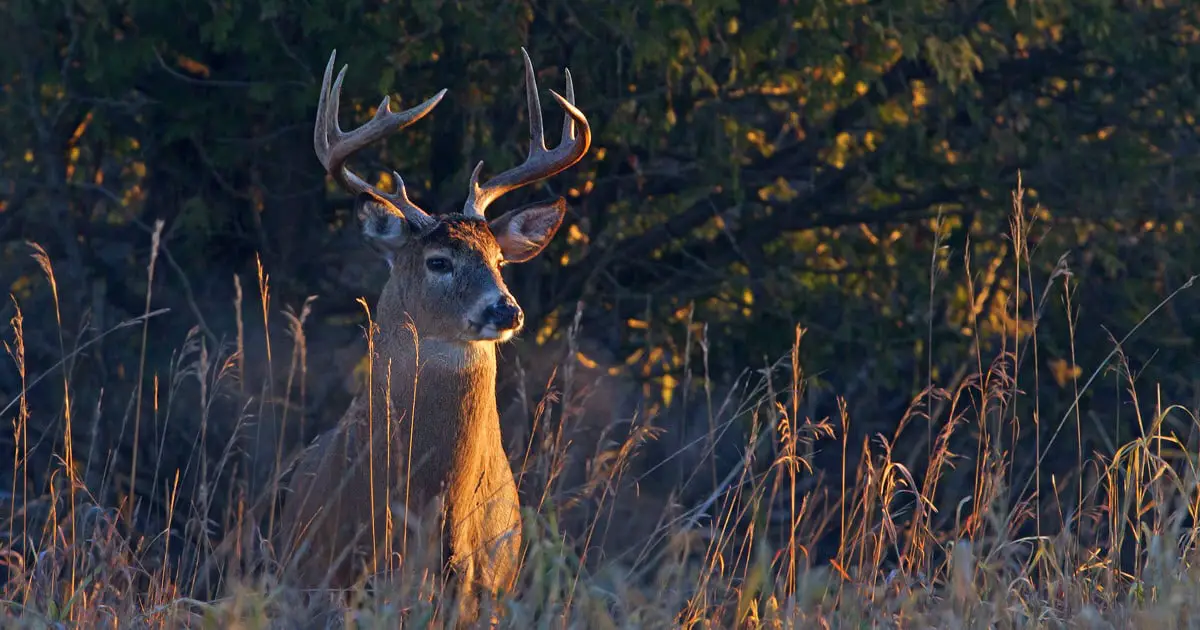
Winter Prep: How White-Tailed Deer Gear Up for the Cold
Links to other articles that we find intersting
The caption of the week
Gear Review: Best Trail Camera for videos
Winter Prep: How White-Tailed Deer Gear Up for the Cold
As the leaves turn and the air gets crisp, the white-tailed deer of the Midwest are busy preparing for one of nature's toughest challenges: winter. This article will take you through the fascinating process these animals undergo to ensure they make it through the coldest months of the year.
Bulk Up: The Feast Before the Fast
First things first, white-tailed deer start bulking up. During late summer and early fall, a deer might consume as much as 8-10 pounds of vegetation per day. They're not just eating for now; they're storing energy for later.
Why? Because when winter hits, food becomes scarce. The fat they store now, especially around their organs and under their skin, will act like a heating blanket, keeping them warm when temperatures drop and food is hidden under snow.
Growing a Winter Coat
Deer don't have closets full of warm clothes, but they do have something better: a seasonal wardrobe change. Their summer coat, which is thin and well-suited for heat, starts to shed as fall advances.
The New Look: By autumn, deer sport a thick, hollow hair coat. These hairs trap air, which insulates them against the cold. Think of it like wearing a fluffy down jacket. According to research by the University of Wisconsin-Stevens Point, this coat can reduce heat loss by up to 50%.
Behavioral Changes: The Social Deer
In the warmer months, deer might be spread out, but as winter approaches, many start to congregate.
Yarding: This is when deer gather in 'yards'—areas where the snow depth is less or where the landscape provides natural shelters from the wind. This behavior isn't just about warmth; it's also about safety in numbers from predators.
Mating Season: The Rut
Late fall isn't just about preparing for cold; it's also about ensuring the next generation. The deer rut, or mating season, peaks around now.
What Happens? Bucks, the males, become more aggressive and roam widely to find does, or females, to mate with. This activity, while energy-consuming, is timed so offspring are born in the spring when food is plentiful (Miller et al., 2003).
Diet Shift: From Green to Woody
As the green leaves fade, deer change their menu.
Browse Over Grass: They start eating more woody plants like twigs, buds, and bark. It's less nutritious than their summer diet, but it's available. A study from the Michigan Department of Natural Resources notes that deer might eat over 600 species of plants, but in winter, they focus on what they can reach above the snow.
Energy Saving Mode
Every movement in winter costs energy, so deer conserve it:
Less Movement: They reduce unnecessary travel, moving only to eat and find shelter.
Rumination: Deer chew their cud, which helps them get the most out of what they eat, breaking down tough plant material more efficiently.
Adaptation and Evolution
This preparation isn't just a yearly routine; it's a result of evolution. Over thousands of years, white-tailed deer have adapted to survive harsh winters. Their bodies have learned to conserve energy, grow the right kind of fur, and even change their behavior patterns.
Check out trail camera footage of deer preparing for winter in the link below
Conclusion: Nature's Survival Masterclass
White-tailed deer provide a living lesson in survival. As we watch them from our windows or on our trail cameras, we're witnessing an incredible display of natural adaptation. They teach us about resilience, preparation, and the interconnectedness of all life, even in the face of winter's chill.
By understanding how these animals prepare for winter, we not only gain a deeper appreciation for them but also for the intricate balance of nature. This knowledge encourages us to think about how we can support wildlife, perhaps by planting native vegetation or advocating for conservation efforts.
References:
University of Wisconsin-Stevens Point: Research on deer insulation.
Michigan Department of Natural Resources: Information on deer diet.
Miller, K. V., Kammermeyer, K. E., Brantley, R., & Marchinton, R. L. (2003): "The rut in white-tailed deer: a comprehensive study of the breeding season", Southeastern Deer Study Group.
Find out more for yourself: Checkout these link to things that we think are interesting
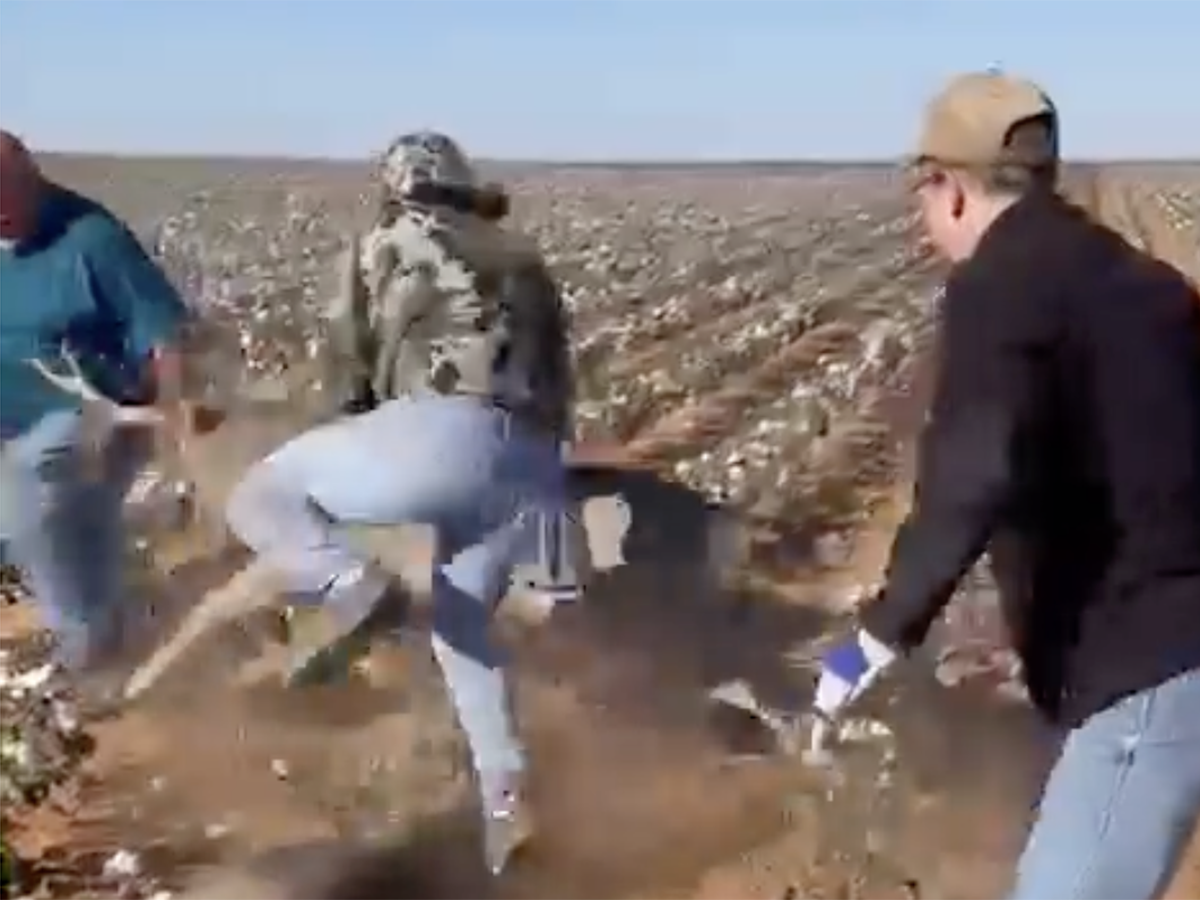
Caption of the Week
Send us your photos for a chance to be featured in future newsletters

Dinner Drama: The buck's meal becomes a feast for the raccoon, sparking a night of unexpected rivalry in the forest.
Gear Review: Browning Trail Cameras - Strike Force Pro X 1080
Overview: The Browning Strike Force Pro X 1080 is a compact trail camera designed for wildlife enthusiasts looking to capture high-quality footage without the bulk. Known for its fast trigger speed and durable construction, it's a solid choice for anyone serious about documenting wildlife in their natural habitat.
Design and Build:
Size: This camera is notably small, making it easy to conceal in the wild. Its dimensions are approximately 4.5" x 3" x 2.5", which means it fits discreetly into most environments.
Durability: The camera boasts a rugged, weather-resistant housing, suitable for enduring tough outdoor conditions. The all-steel adjustable mounting bracket adds to its sturdiness.
Performance:
Trigger Speed: With a trigger speed of 0.22 seconds, the Strike Force Pro X 1080 is quick to capture motion, reducing the chance of missing fleeting wildlife moments.
Image Quality: It offers 24MP still images and 1080p full HD videos with sound. Daytime images are vibrant, though some users note that nighttime images can be slightly grainier due to the infrared technology.
Detection Range: The camera has an 80-foot detection range with an adjustable IR flash that reaches up to 120 feet, ensuring you capture animals even at a distance.
Features:
Night Vision: Equipped with Browning's "RADIANT 6" Night Illumination Technology, it provides three modes for night shots: Power Save, Long Range, and Fast Motion. "Long Range" mode is particularly effective for capturing animals further away.
Battery Life: It uses only 6 AA batteries but still manages up to a year of battery life with moderate use, which is impressive for its size. However, battery consumption can increase in colder conditions or with frequent video captures.
Storage: Supports up to 512GB SDXC cards, offering ample storage for extended field sessions.
Ease of Use:
User Interface: The 1.5" color viewing screen aids in setting up the camera and reviewing footage in the field, which is a significant advantage for immediate feedback.
Setup: The camera is straightforward to set up, with intuitive menu navigation. However, some users might find the battery tray a bit tricky to operate due to its tight fit.
Pros:
Compact and camouflaged design
Fast trigger speed for action shots
Long battery life
High-quality day images
Expandable storage capacity
Cons:
Night images can be less sharp compared to day
Battery life can suffer in cold weather or with frequent video use
Battery tray can be stiff
Conclusion: The Browning Strike Force Pro X 1080 is an excellent choice for those needing a reliable, discreet trail camera with good image quality, especially during the day. While its night vision capabilities are decent, they don't match the clarity of daylight shots. If you're looking for a balance between performance, size, and battery efficiency, this model stands out. However, for those who prioritize pristine night footage, you might want to compare it with cameras known for their low-light performance.
Rating: 4.5/5 Stars
This model would be particularly recommended for capturing white-tailed deer or other wildlife in the late fall and winter when daylight hours are shorter, providing you with clear images during the day and reasonable quality at night.
What did you think of this week’s newsletter?
Hit reply to let us know. Did we crush it?
Want more?
Subscribe to our YouTube channel for interesting wildlife videos